Wednesday, 4 March 2015

Rubus Fruticosus; Bramble


Common Name: Bramble

Latin Name: Rubus Fruticosus

Type: Evergreen

Location: Milnthorpe, Lake District.

Ultimate height: 3m

Ultimate spread: 1 – 2.5m

Located Rubus Fruticosus height: 0.5 - 1m

Leaf Shape: Toothed, cordate/oval shaped leaves.

Bark: Tough arched stems covered in sharp thorns, Pinky/red/brown in colour

Preferred soil type: Most soils

Fruit/Flowers: Fruits being the familiar blackberries, gradually changing from green, to red, to deep purple prior to finally turning black when ripe. Flowers being 2 – 3cm in width and white or pink in colour.

Distribution: Native unknown

This particular Rubus Fruticosus is located alongside a vehicle desire line in a large mixed woodland. It stands amongst various other shrubs and trees in a mass of what seems self seeded planting. Its location involved many other bramble plants surrounding, creating a boarder to the man made dirt road. Its condition was as suspected for bramble; very well, as bramble tends to thrive in most conditions. The ground conditions were moist and dense which may have been due to the rainfall. I took a sample of lower level soil and carried out soil pH tests which read to have a pH of 7.5 indicating the soil to be ALKALINE


pH chart (GARDENERS mate)
My illustration of the Rubus Fruticosus


Monday, 2 March 2015

Cedars Libani; Cedar of lebanon


Common Name: Cedar of Lebanon

Latin Name: Cedrus Libani

Type: Evergreen

Location: Plattfield Park

Ultimate height: 40m

Ultimate spread: 8m+

Located Cedrus Libani height: 25m

Leaf Shape: Needle like linear shaped green in colour. Clusters on short shoots, leaves usually up to 3cm in length.

Bark: Mousy brown, sometimes appearing greyish in colour. Developing into darker shade of brown and becomes fissured and ridged with maturity. 

Preferred soil type: Well-drained chalk, clay, sand or loam.

Fruit/Flowers: Males cones being ovoid shaped generally 7.5cm in length, grey/blue in colour. Female cones ovoid and solid, generally 12cm in length, Ripening from purple/green to brown in colour.

Distribution: Native to East Mediterranean

This particular Cedrus Libani is located at the boundary of a large city park. It stands fairly distanced from other shrubs and trees. Judging from its height and the fissures in the bark, this particular Cedrus Libani is quite mature. The ground conditions were dry and slightly dense. I took a sample of lower level soil and carried out soil pH tests which read to have a pH of 
My illustration of the Cedrus Libani


Friday, 13 February 2015

Dryopteris Filix-mas; Male fern


Common Name: Male Fern

Latin Name: Dryopteris Filix-mas

Type: Deciduous/Evergreen/Semi-Evergreen

Location: Milnthorpe, Lake District

Ultimate height: 1 – 1.5m

Ultimate spread: 0.5 – 1m

Located Dryopteris Filix-mas height: 40cm

Leaf Shape: Pinnately divided fronds, Oblong shaped pinnules. Rounded sporangia on underneath of pinnules.

Bark: Tough green, sometimes brown rachis.

Preferred soil type: Both poorly-drained and/or well-drained moist loam, chalk, sand or clay.

Distribution: Unknown

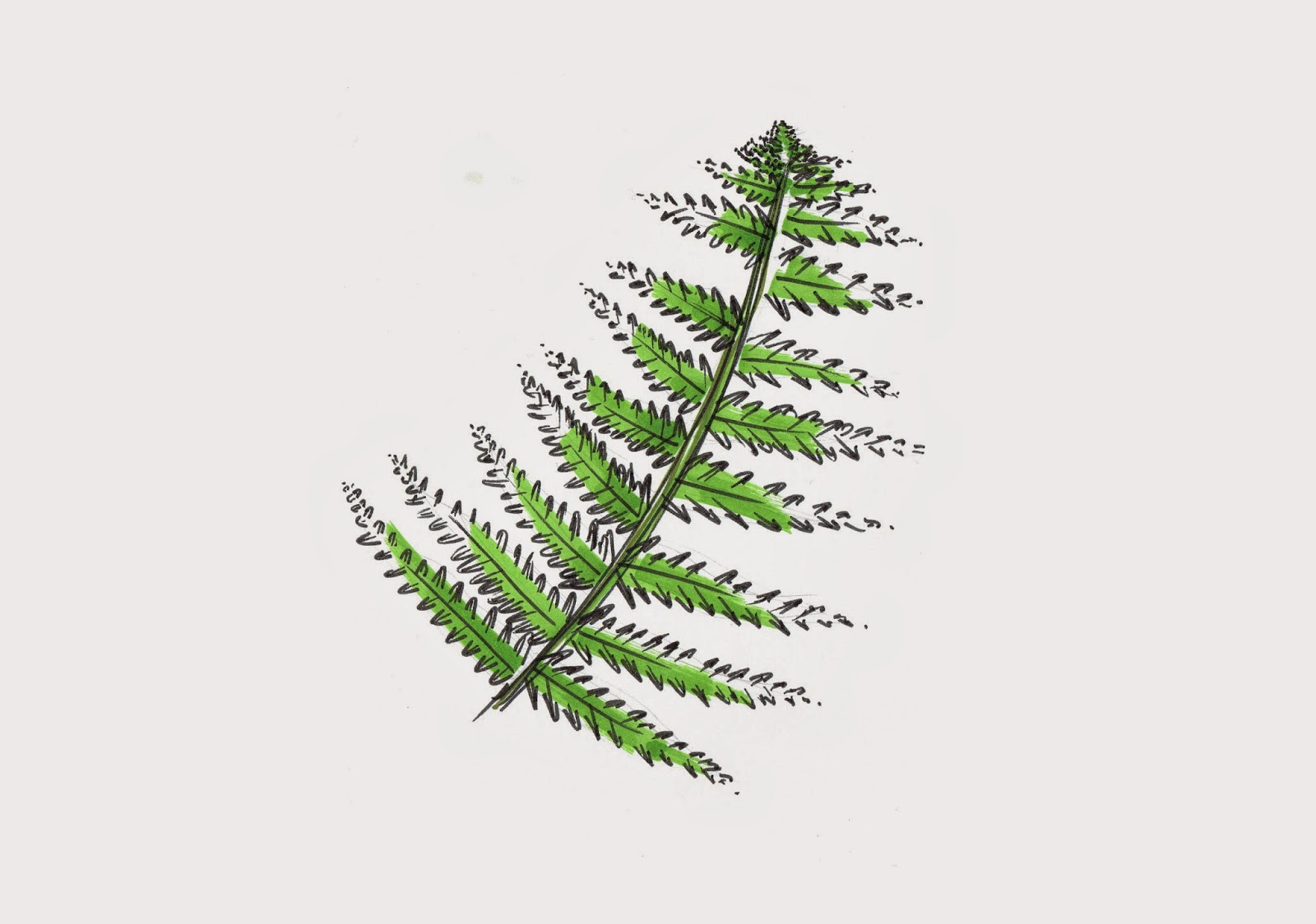
This particular Dryopteris Filix-mas was found within a mixed woodland, amongst a mass of grasses and rock. Its condition was poor, its multiple axis’ were broken and bent upon its self, its leaves were browning. Its location seemed to be self seeded and what seemed to be once well conditioned, now seems deprived of its necessary conditions. The ground conditions were hard, often consisting of rock. I took a sample of lower level soil and carried out soil pH tests which read to have a pH of indicating the soil to be 
My illustration of the Dryopteris Fillip-mas


Thursday, 12 February 2015

X Cupressocyparis Leylandii; Leyland Cypress


Common Name: Leyland Cypress

Latin Name: X Cupressocyparis Leylandii

Type: Evergreen

Location: Plattfield Park

Ultimate height: 35m

Ultimate spread: 4 - 8m

Located X Cupressocyparis Leylandii height: 4m

Overall shape: Rounded

Leaf Shape: Mass of individual leaves accumulates a ovate shaped leaf. Individual leaves being scale like, linear shaped; Green in colour.

Bark: Reddish/brown sometimes with ridges running vertically throughout bark.

Preferred soil type: Well-drained sand, clay, chalk or loam.

Fruit/Flowers: Male cones being small, yellow in colour. Located at tip of shoots, releasing pollen in March. Female cones green, gradually turning shiny brown in colour. Rounded shape, up to 3cm wide with approx. 8 scales.

Distribution: N/A (Hybrid man-made)

This particular X Cupressocyparis Leylandii is located in the gardens of a town church against the boundary fence. It is distanced from any other trees or shrubs. From a distance, the tree appeared to be in a slightly poor state due to its scarce branches however, no signs of disease or lack of nutrition was displayed when closely observing and so its condition seemed well. The ground conditions were dry potentially but loose. I took a sample of lower level soil and carried out soil pH tests which read to have a pH of indicating the soil to be 


My illustration of the X Cupressocyparis Leylandii